The Mechanics of Stand-Up Tuna Fishing
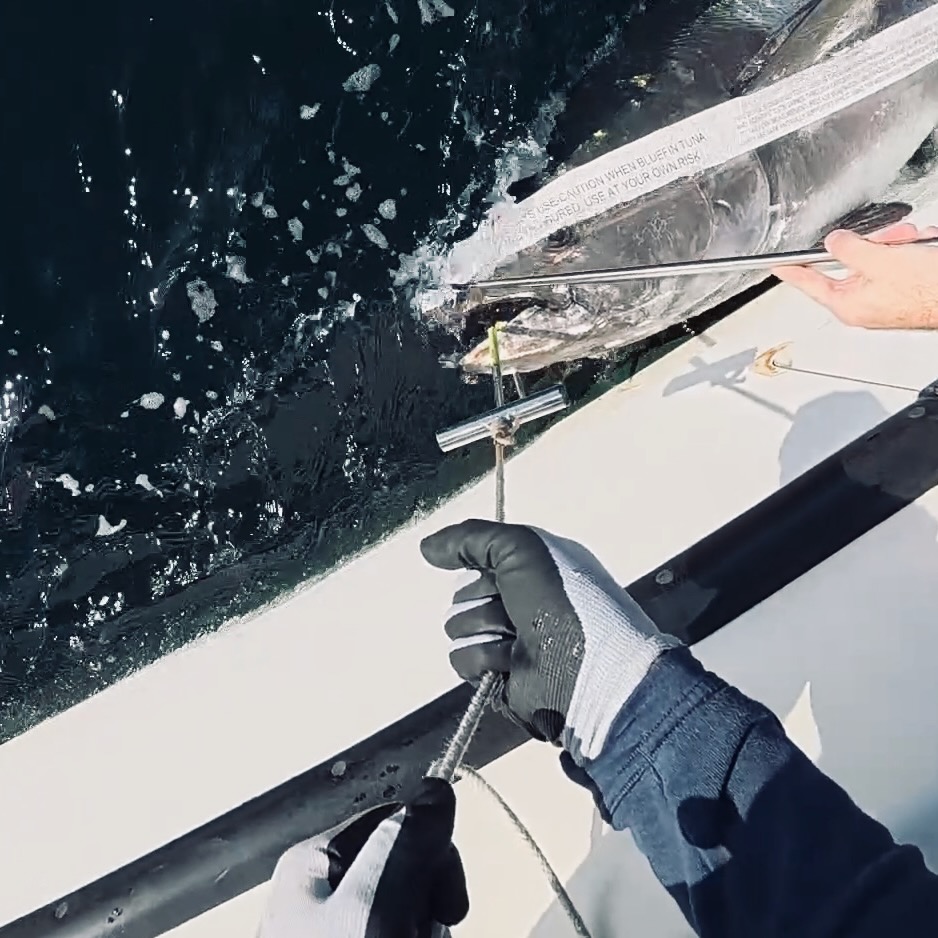
Stand-up fishing is the method used to fight Atlantic bluefin tuna while remaining upright and directly connected to the rod. Rather than transferring load into a fighting chair, the angler absorbs pressure through the body while maintaining balance on a moving boat. This approach allows drag pressure to be applied immediately and consistently while the skipper manoeuvres to control the fish.
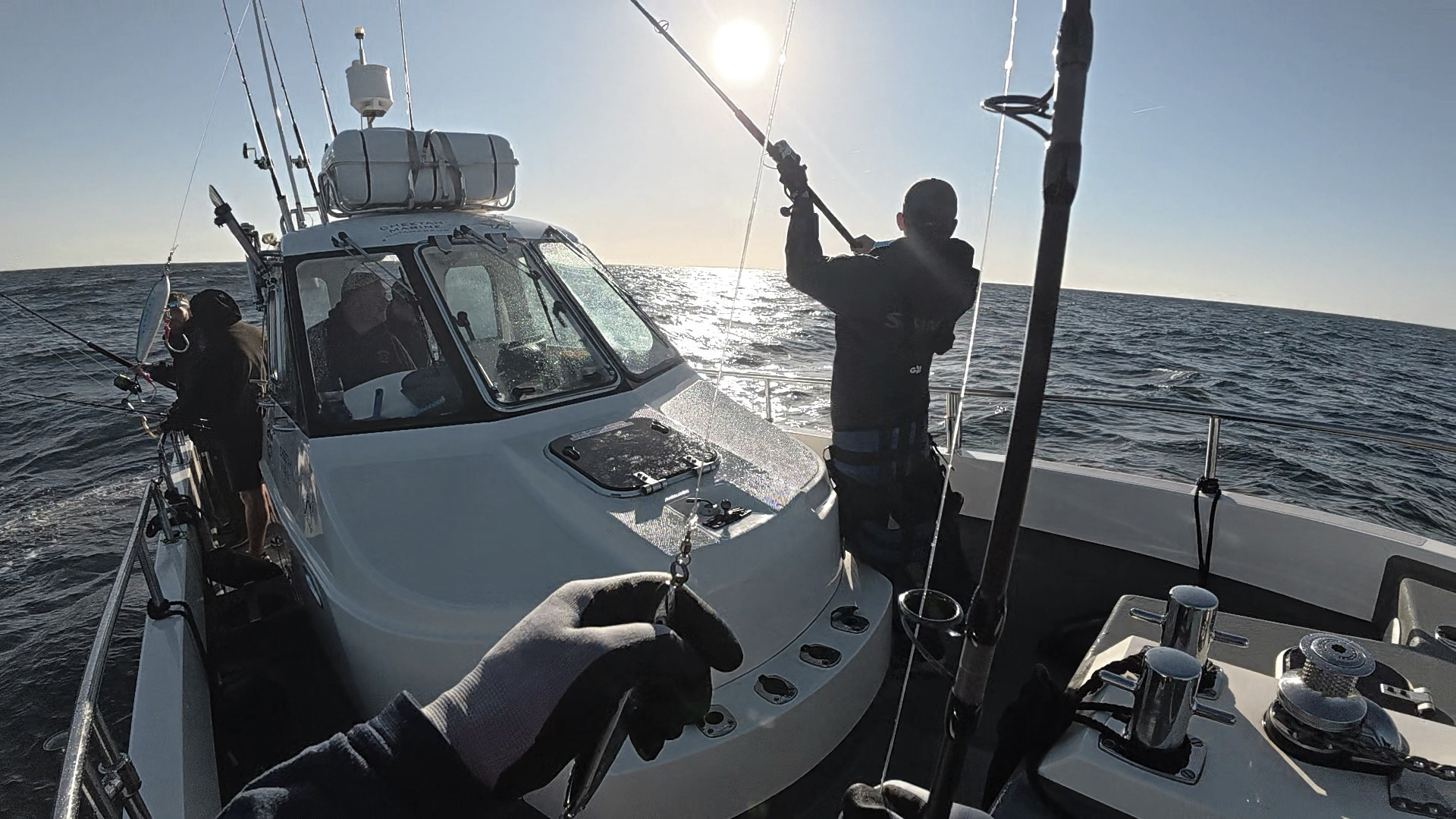
In the UK bluefin fishery this method has become the standard when casting artificial lures to surface-feeding tuna. The tackle systems used—high-capacity spinning reels, heavy PE-rated rods and hollow-core braid—are capable of generating significant drag pressure. Stand-up technique allows that pressure to be delivered efficiently without relying on fixed mechanical leverage.
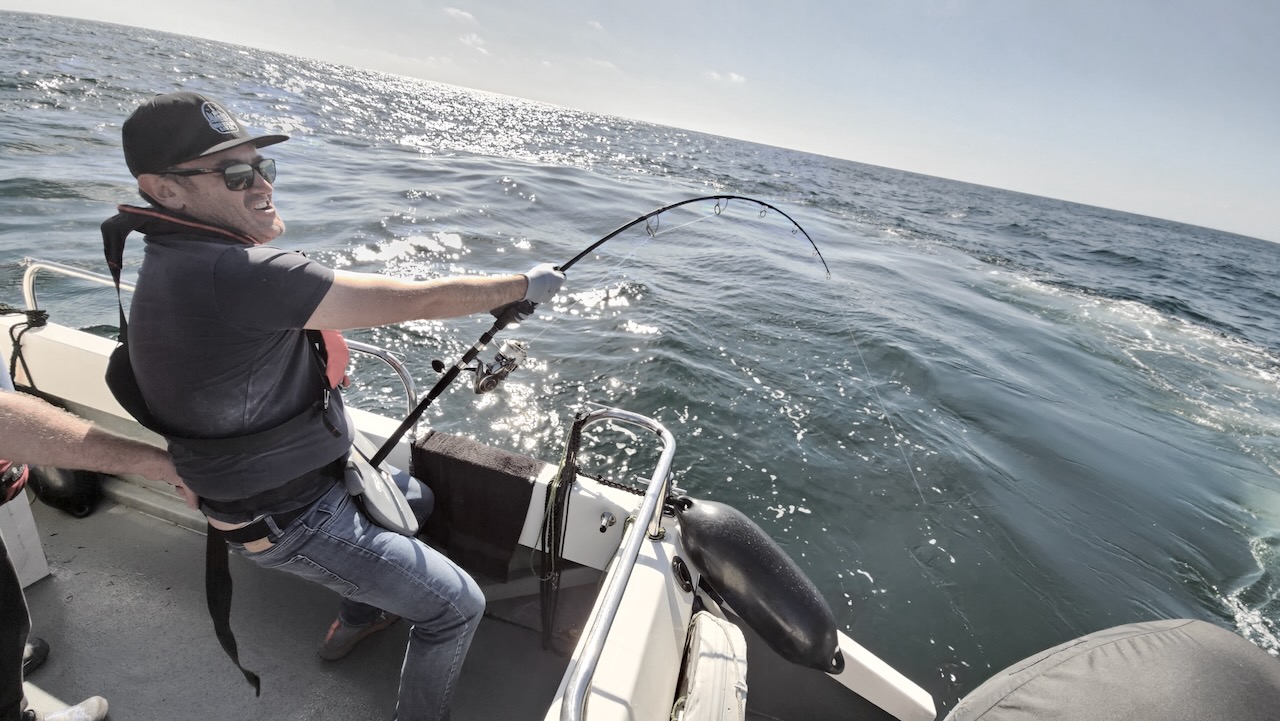
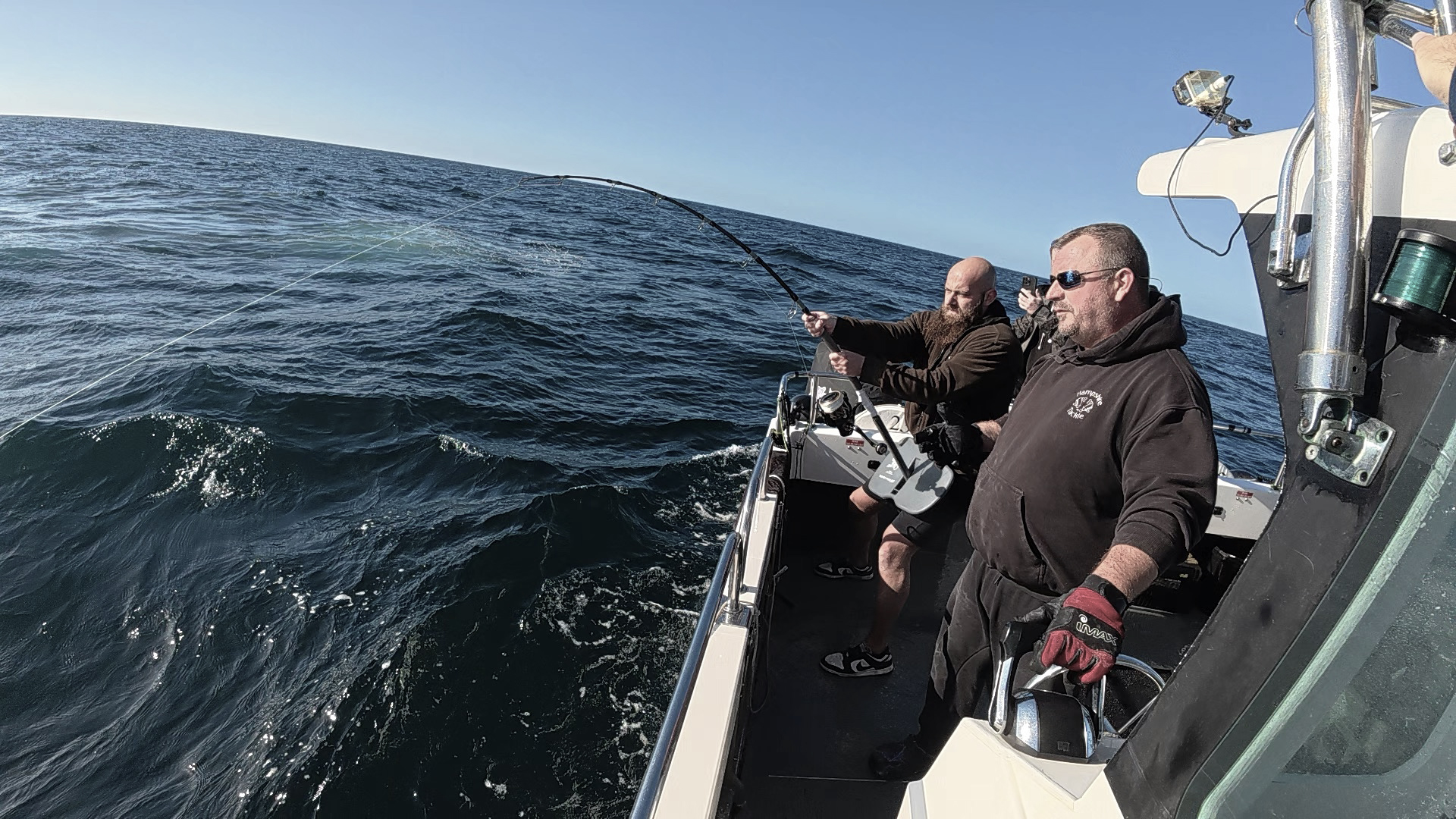
The foundation of the method is posture. The rod butt is positioned against the angler’s body while the legs and hips provide the primary structural support. A stable stance allows the angler to resist the fish’s pull while maintaining control of rod angle and line tension. The core stabilises the body as the boat moves and the fish changes direction.
Despite this structural support, the arms remain heavily involved in the fight. They control rod angle, absorb shock during violent head shakes and manage the lift-and-retrieve rhythm that gradually recovers line. Over time the forearms, shoulders and grip often become the first areas to fatigue. Managing this fatigue becomes part of the technique itself, requiring efficient movement and disciplined rod positioning throughout the fight.
This physical demand is one of the defining characteristics of stand-up bluefin fishing. Modern tuna tackle is exceptionally strong, and mechanical failures are relatively rare. More often it is the angler who reaches their physical limit first. Maintaining composure under sustained pressure is therefore as important as the equipment being used.
The early phase of the fight is particularly important. Bluefin tuna frequently attempt to reach depth immediately after being hooked. If allowed to descend unchecked they can begin circling vertically beneath the boat, extending the fight considerably. Stand-up technique allows the angler to apply pressure early, slowing the fish while the skipper follows its direction and maintains favourable line angles.
Boat positioning plays a major role during this stage. A skilled skipper will move with the fish to prevent excessive line loss while keeping the line angle shallow. This alignment allows the angler to continue applying controlled pressure rather than fighting the fish vertically beneath the boat.
Maintaining consistent pressure is critical. Bluefin tuna are capable of powerful head shakes that can create sudden slack in the line if the angler loses contact. An upright stance allows immediate adjustment of rod angle and rapid retrieval to recover tension. Remaining balanced and responsive ensures the fish remains under pressure throughout the engagement.
Stand-up tuna fishing removes unnecessary mechanics from the fight. There is no chair and no equipment absorbing the load on behalf of the angler. Every movement must be deliberate and controlled. The angler, the tackle and the fish are directly connected from the moment of the strike.
When executed correctly, stand-up technique allows anglers to deliver sustained pressure while maintaining mobility and control on deck. The result is a more efficient fight that reduces prolonged stalemates and allows large Atlantic bluefin tuna to be brought to the boat with greater consistency.
To fish this way, choose a boat that specialises in stand-up casting. Our bluefin tuna charter boat directory lists every licensed UK charter by region.
Read more