
船舶
UK Bluefin Tuna Charter Boats
Dedicated platforms play a critical role in stand-up Atlantic Bluefin fishing. Vessels operating in this fishery must be stable, responsive and capable of positioning quickly on surface-feeding tuna. Beam, deck layout and engine configuration all influence how effectively anglers can apply pressure during the fight while maintaining control around the boat.
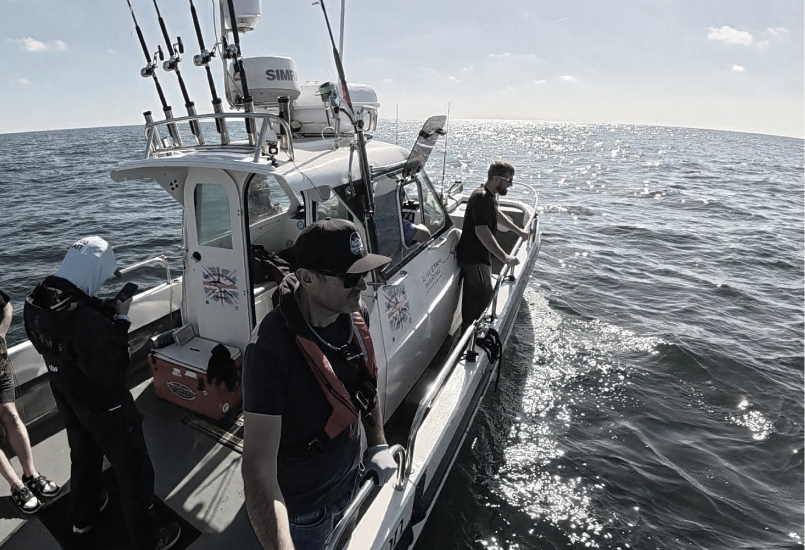
Trolling or Casting: Choosing a Bluefin Charter
The UK Atlantic bluefin tuna fishery has developed rapidly in recent years, with a growing number of licensed charter vessels now operating from Cornwall to the North East, and in Wales.
The majority of licensed UK bluefin vessels operate primarily through trolling methods. For many anglers this remains the most accessible route to a first bluefin. The directory below lists every licensed charter boat for 2026. Vessels identified as casting specialists offer a fundamentally different experience — the method this site exists to document.
The majority of licensed UK bluefin vessels operate primarily through trolling methods. For many anglers this remains the most accessible route to a first bluefin. The directory below lists every licensed charter boat for 2026. Vessels identified as casting specialists offer a fundamentally different experience — the method this site exists to document.
Read ArticleFeatured Charter: Harvest Moon
Harvest Moon, operated by Stuart Newell out of Fowey, is one of the few vessels in the UK fishery focused on stand-up Atlantic bluefin tuna fishing. Rather than traditional trolling approaches, the operation is built around casting techniques and controlled, high-drag engagements, reflecting a more modern approach to bluefin fishing.
The setup on board is designed to support this method, with an emphasis on mobility, positioning and angler control during the fight. This allows fish to be engaged directly on the surface and brought to the boat efficiently, aligning with the wider shift towards reduced fight times and improved fish condition within catch-and-release programmes.
Read Article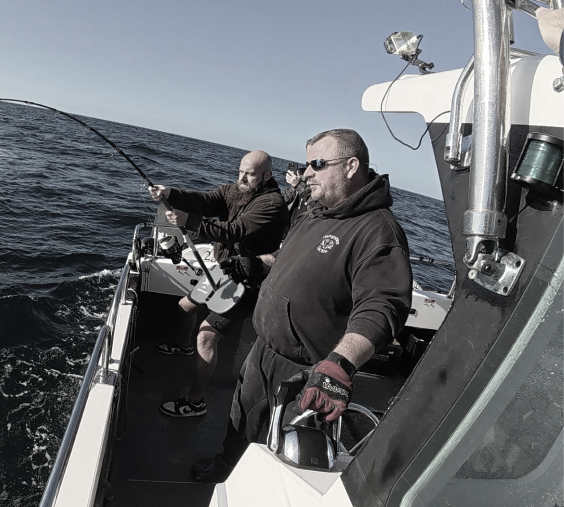
Harvest Moon: Vessel Overview
Vessel Overview
Vessel: Harvest Moon
Skipper: Stuart Newell
Location: Fowey, Cornwall
Primary Method: Casting
Secondary Method: None
Fishery: Atlantic Bluefin Tuna (Catch & Release)
Vessel: Harvest Moon
Skipper: Stuart Newell
Location: Fowey, Cornwall
Primary Method: Casting
Secondary Method: None
Fishery: Atlantic Bluefin Tuna (Catch & Release)
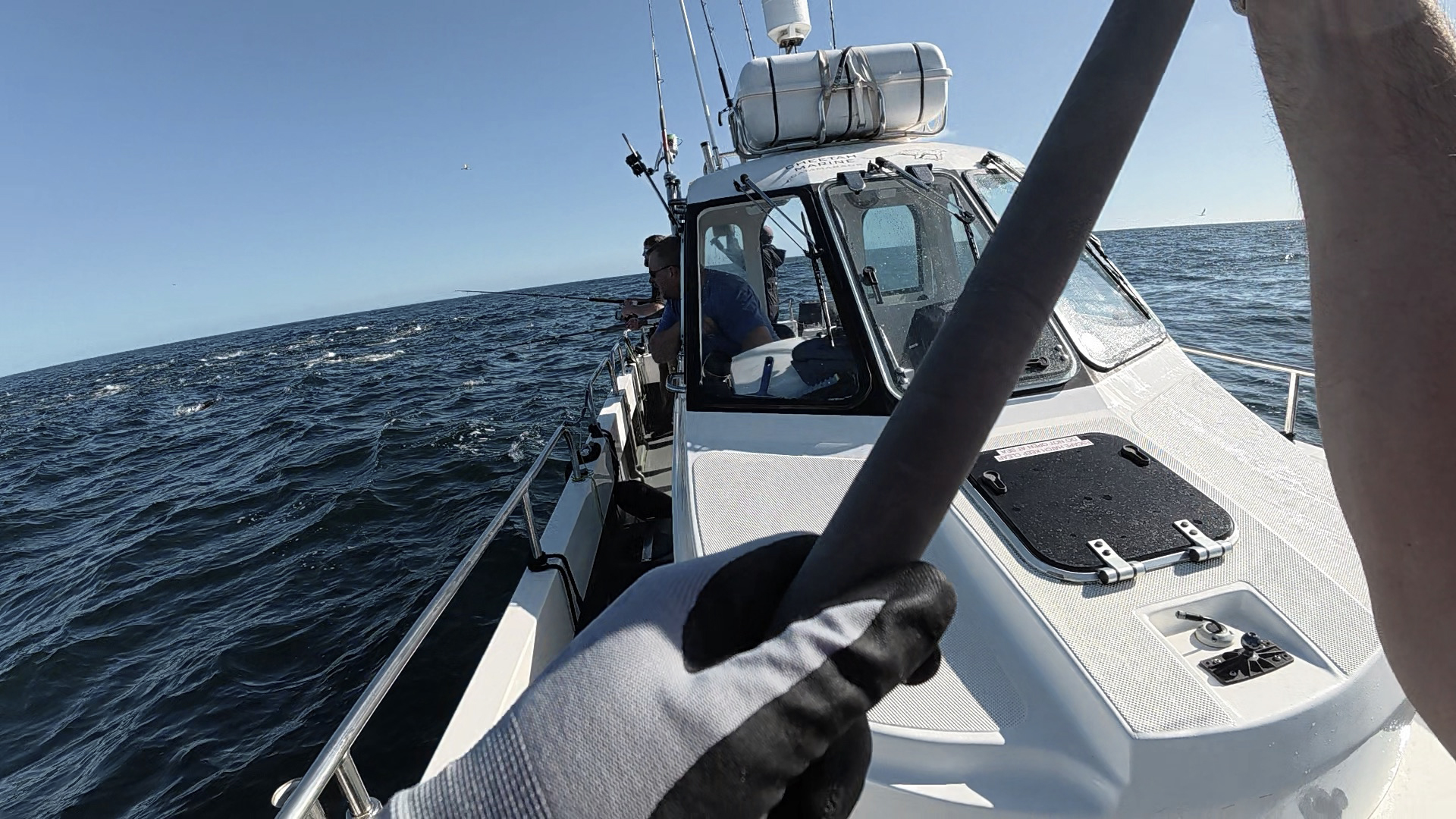
• 8.5m Cheetah Catamaran
• 3m Beam
• Twin 200hp Suzuki Outboards
The wide beam provides lateral stability under sustained drag — critical during stand-up fights applying 18–25kg of pressure.
• 3m Beam
• Twin 200hp Suzuki Outboards
The wide beam provides lateral stability under sustained drag — critical during stand-up fights applying 18–25kg of pressure.
UK Bluefin Charter Vessels
The 2026 UK bluefin tuna season runs from 13 July to 30 November. Bluefin can only be fished from boats holding a UK government catch-and-release permit, and 84 charter boats hold one for English waters this year. Every one is listed below by region, with charter boats fishing Welsh waters listed separately. Home ports and contact details are added as skippers confirm them.
Licensed charter boats, English waters (84)
Updated October 2026
Cornwall (12)
Devon (8)
Dorset & Hampshire (8)
Sussex, Kent & Essex (4)
North East (4)
Location not yet confirmed (48)
•
Crystal Spray
•
Dreamcatcher
•
Isobella M
•
Marlin
•
Melinda M
•
Reel Deal Charters
•
Reel Tuna
•
Relentless
•
Relentless
•
Seawatch 1
•
Sha-King
•
Shamrock
•
Shande III
•
Silver Gannet
•
Silver Spray II
•
Silver Tide
•
Skindeep
•
Sorcerer II
•
Spirit of Arun 2
•
Storm Lee
•
Sussex
•
Taurus
•
Tricky Poser
•
Trot-On
•
Warrior
•
Wasabi
•
White Water II
Welsh waters charter vessels
Skipper of a listed boat, or missing from the list? Claim or add your vessel to add your home port and contact details.
よくある質問
FAQS
Answers to common questions about booking a bluefin tuna charter in the UK, from cost and tackle to where boats sail from.
What is the difference between trolling and casting charters?

Most UK charter boats troll, dragging lures behind the moving boat, which is the most accessible route to a first bluefin. A smaller number specialise in casting lures to surface-feeding tuna and fighting them stand-up. It is a very different experience, so ask which method a boat uses before you book.
Do bluefin charters provide rods and tackle?
Most do, including rods, reels and lures, but confirm when booking. If you want to bring your own tackle, agree it with the skipper first, as gear must meet the fishery's rules, including single barbless hooks only.
How much does a bluefin tuna charter cost?
Most UK bluefin charters cost between £1,000 and £1,800 per day. Prices vary by boat, port and the number of anglers on board, so check exactly what is included when you book.
Where do UK bluefin tuna charters sail from?
Most licensed charter boats sail from Cornwall and Devon, with others in Dorset and Hampshire, Sussex, Kent and Essex, the North East, and Wales. The directory on this page lists every licensed boat by region.
Can overseas visitors fish for bluefin tuna in the UK?
Yes. Anglers from anywhere can book a trip on a licensed UK charter boat. You don't need your own permit, because the boat's permit covers everyone fishing on board. The season runs from mid-July to the end of November.
What is the best time of year for UK bluefin tuna fishing?
The main UK bluefin season generally runs from 'mid-July through late November'. Tuna have been observed arriving earlier in some years, with fish appearing in 'early June', but consistent fishing usually begins in mid-July.
Do anglers need a license to fish for bluefin tuna in the UK?
Not personally. Bluefin can only be targeted from boats holding a UK government catch-and-release permit, so booking a licensed charter covers you. Someone on board must have completed the mandatory Angling Trust bluefin training for every trip.
Are bluefin tuna protected in UK waters?
Yes. The UK bluefin tuna fishery operates under strict 'catch-and-release regulations'. All tuna must be released after capture, and fish cannot be removed from the water. Captains are required to revive the fish for several minutes before release to ensure the fish swims away strongly.
Brands & Equipment Featured