Stand-Up Tuna Rods in the UK Fishery
Engineering for Attrition
Finding suitable rods in the UK is a challenge and most are currently imported. In the context of role, a rod's primary job isn't the cast; it’s the recovery. While lengths typically oscillate between 7’0” and 7’6” for casting models, the geometry is dictated by the "fight-curve." Modern blanks from manufacturers like Ripple Fisher and CB One are engineered to shift the fulcrum point closer to the angler, reducing the physical leverage the fish has against the human frame.
- Typical Length: 7’0” – 7’6” (Casting)
- Drag Rating: 12kg to 30kg
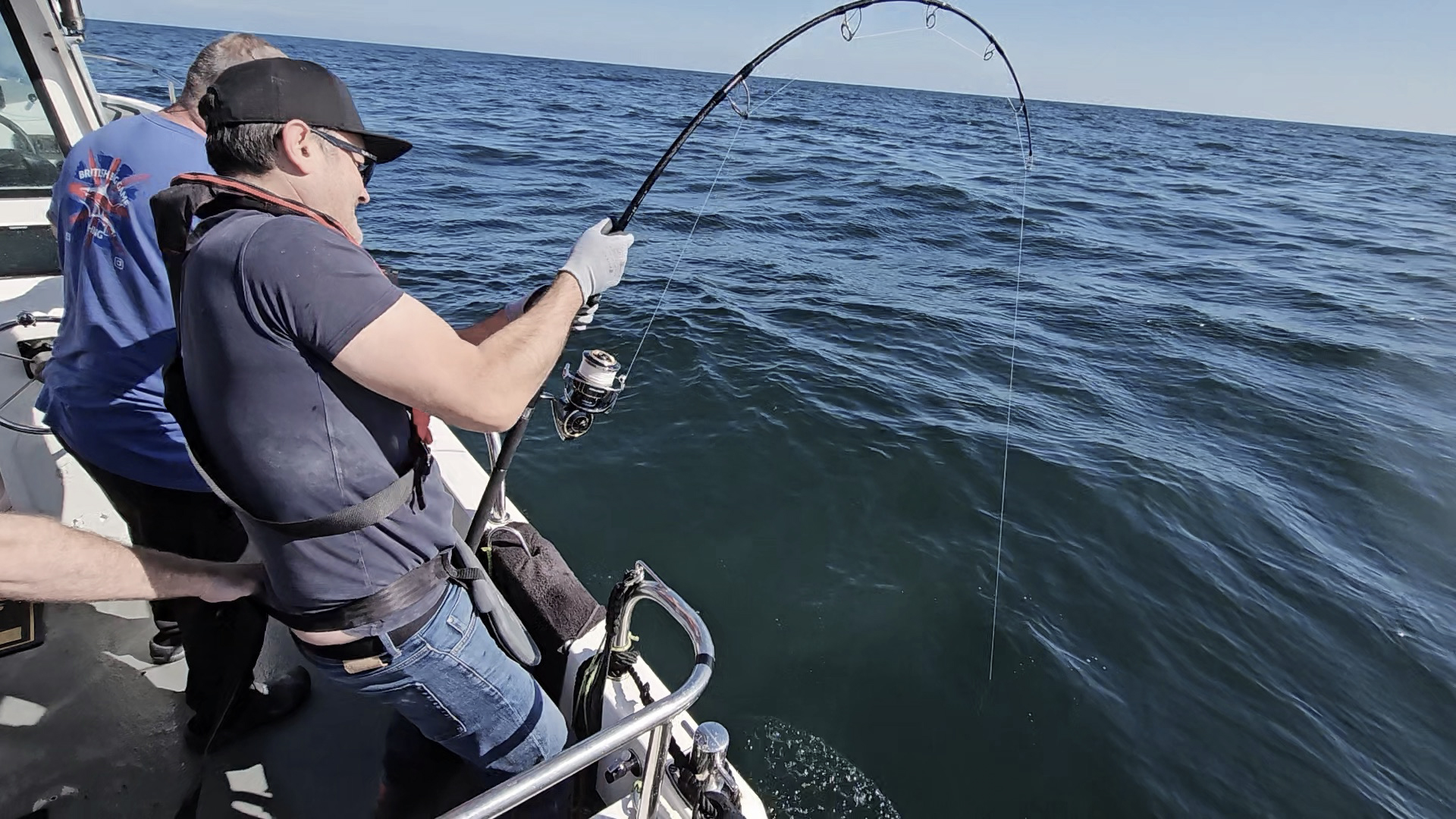
- Bend Profile: Progressive (60° to 90°)
- Hardware: Aluminium Gimbals / Reinforced Butts / Fuji Components
The Mechanics of High-Load Drag
The defining characteristic of a UK-spec tuna rod is its ability to handle "stopping power." Most rods in our fishery are now rated to fish between 12kg and 30kg of drag. At these pressures, equipment failure is binary—it either holds or it explodes.
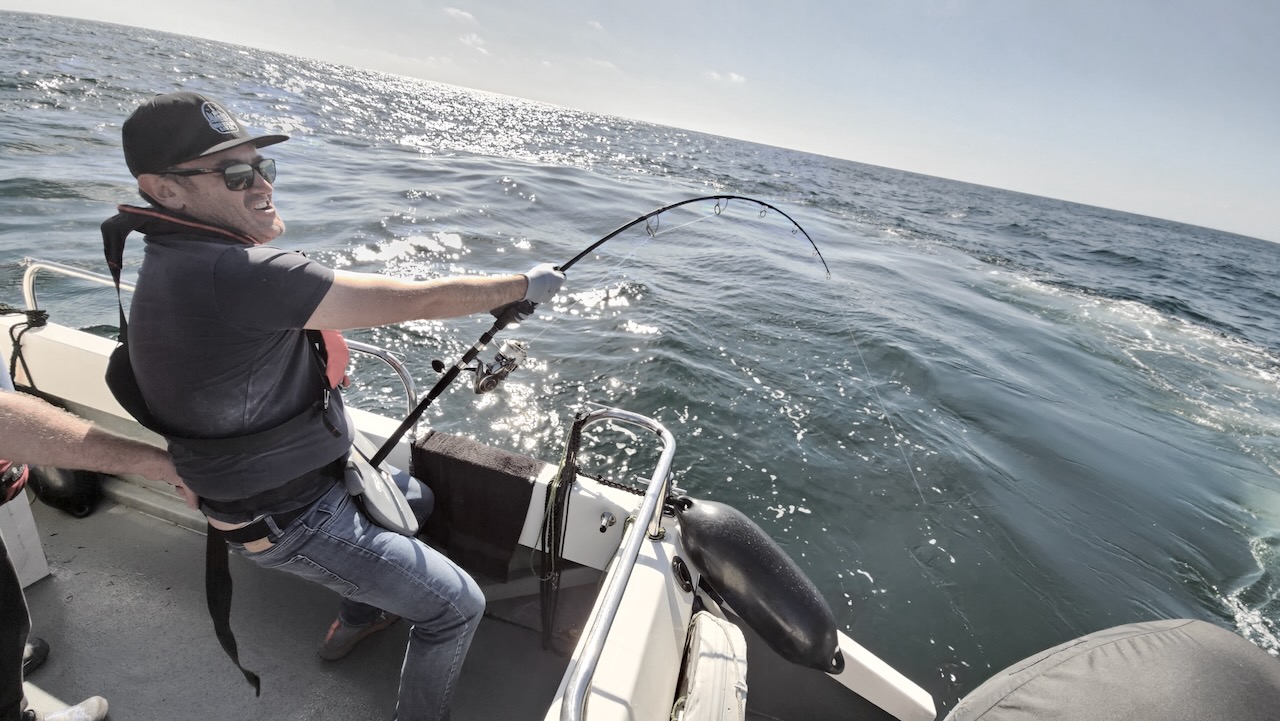
The transition to aluminium gimbals and reinforced carbon butt sections is a functional necessity, not an aesthetic choice. These components provide the mechanical "lock" into a harness or belt, ensuring that the 20kg+ of pressure is transferred through the angler's legs and core rather than just the forearms.
Load Profiles: The 90-Degree Standard
A rod that is too stiff (fast action) puts immense strain on the angler’s lower back; a rod that is too soft (slow action) allows the tuna to dictate the geometry of the fight. The ideal "sweet spot" is a progressive 80° to 90° bend profile.
- The Tip: Supple enough to work a lure.
- The Mid-Section: A massive reserve of "lifting power" that engages as the fish goes vertical.
- The Bottom Third: Pure structural backbone that never shuts down.
Specialised Tooling: Casting vs. Jigging
While the 7-foot casting rod remains the versatile standard, we are seeing specialised usage of short-form jigging rods (approx. 5’6”). These "stumpier" blanks, like the CB One Monster, offer unparalleled vertical lifting power, boasting a 20kg lift rating. They are the surgical tools of the fishery, ideal for when a fish is pinned directly under the boat, though they sacrifice the reach needed to clear outboards.
The Conservation Mandate
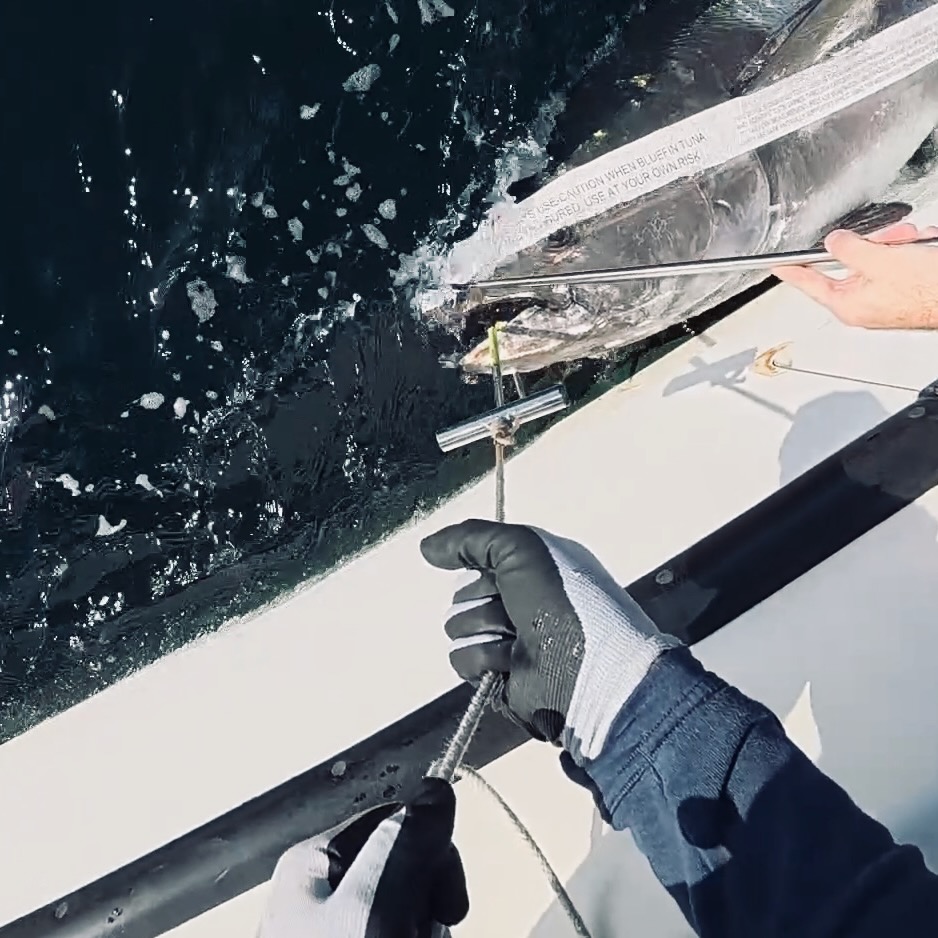
Ultimately, the shift toward heavier, more capable stand-up gear is driven by fish welfare. In a catch-and-release fishery, minimising fight times is critical. By using gear that can exert 20kg+ of sustained pressure, anglers can bring fish to the gunwale faster, reducing lactic acid buildup and ensuring a high-vitality release.
Stand-Up Tuna Rods: Specifications Comparison
This table, compiled from performance data, compares key market leading brands and models. Most need to be imported as supplies are limited in the UK. Prices shown are estimates and exclude VAT and import fees unless specified. Please check the spec on each of the distributors sites - link on the model below. Jigging has been included for context.
Read more