Release vs Kill: What's Worth More?
The 2025 season figures show the recreational fishery used just 13% of its mortality allowance. But the latest government evaluations give different answers on value depending on how it is measured, and an economic assessment of 2025 has yet to be published.
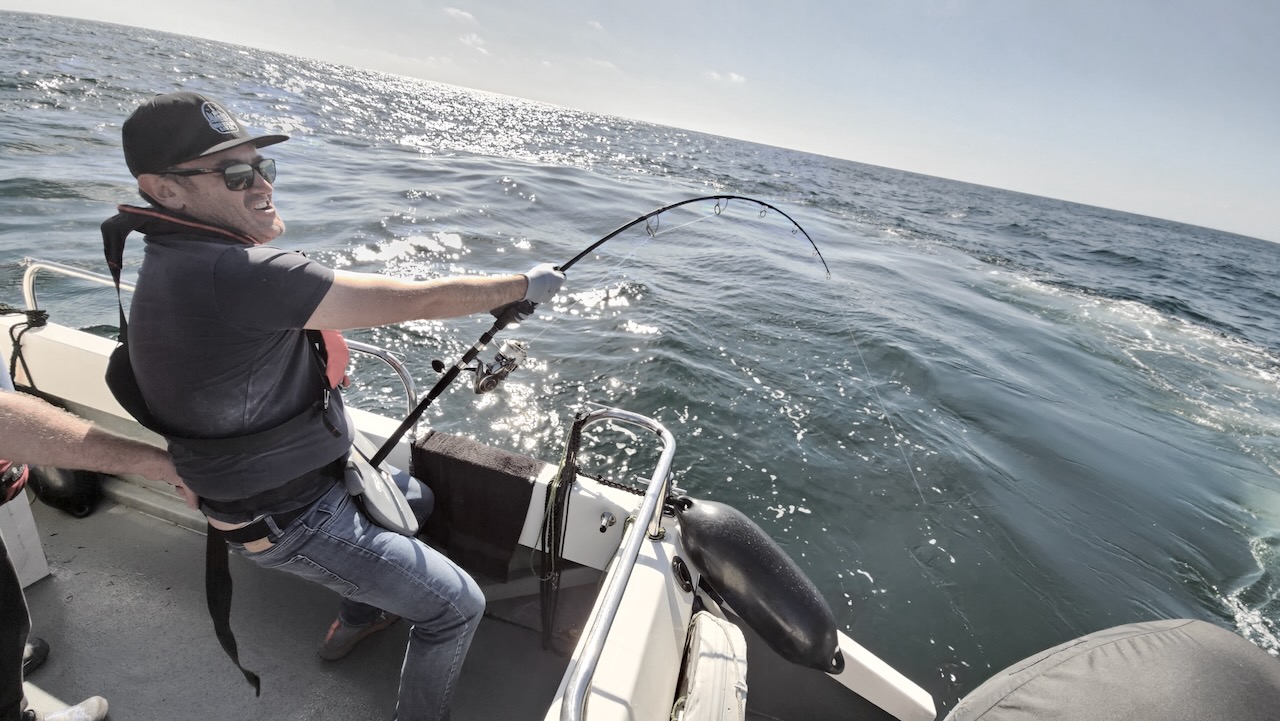
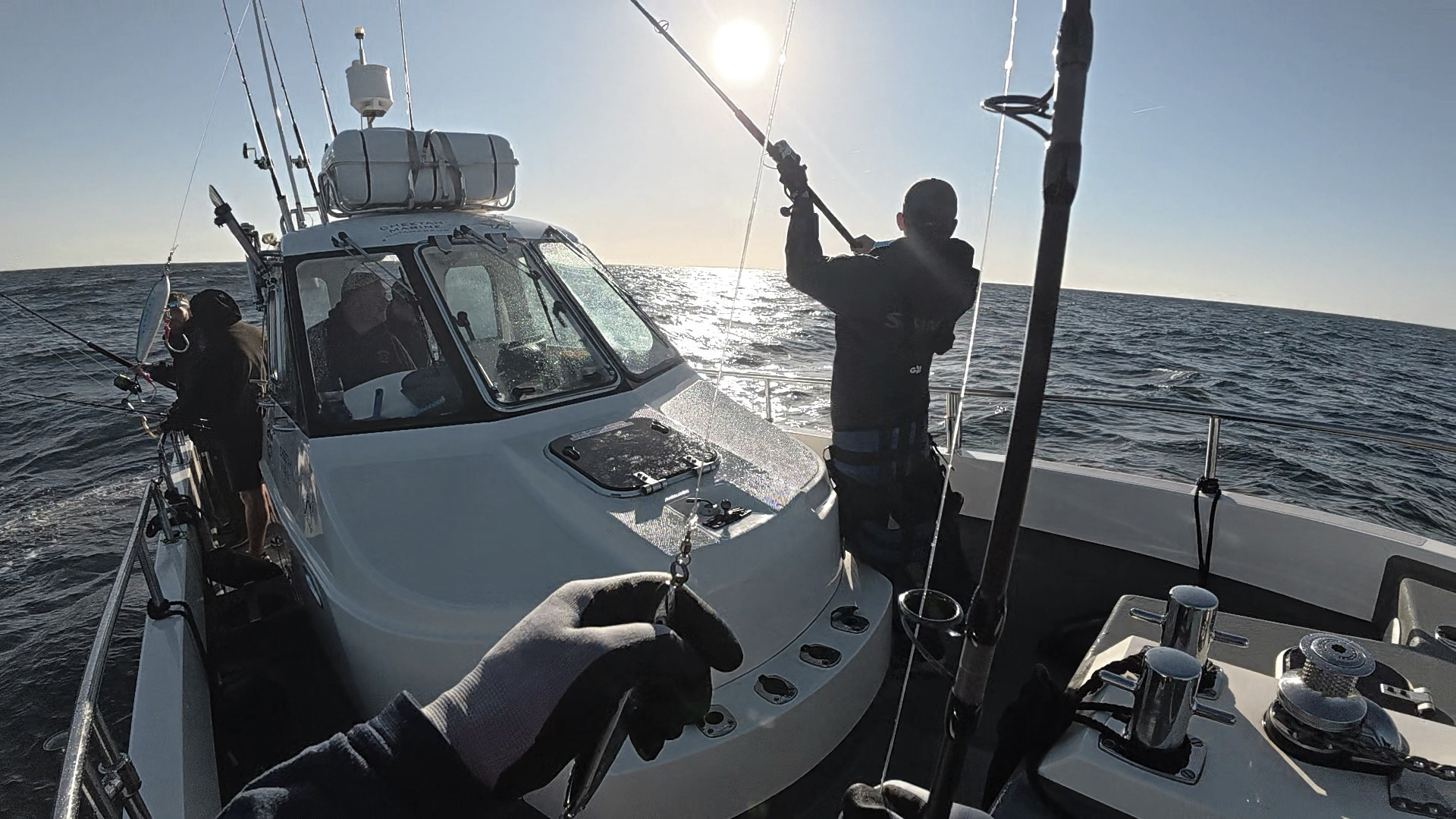
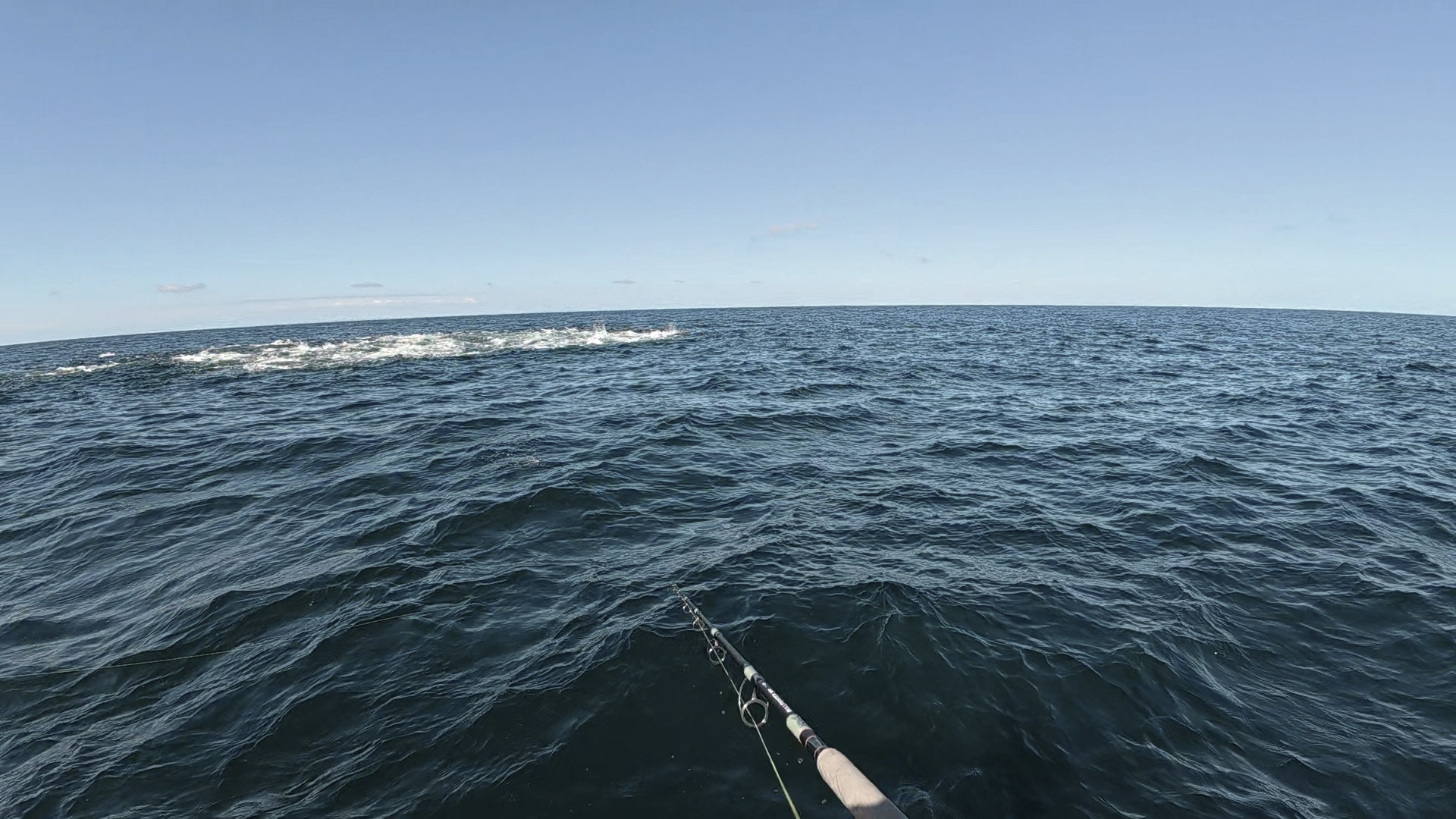
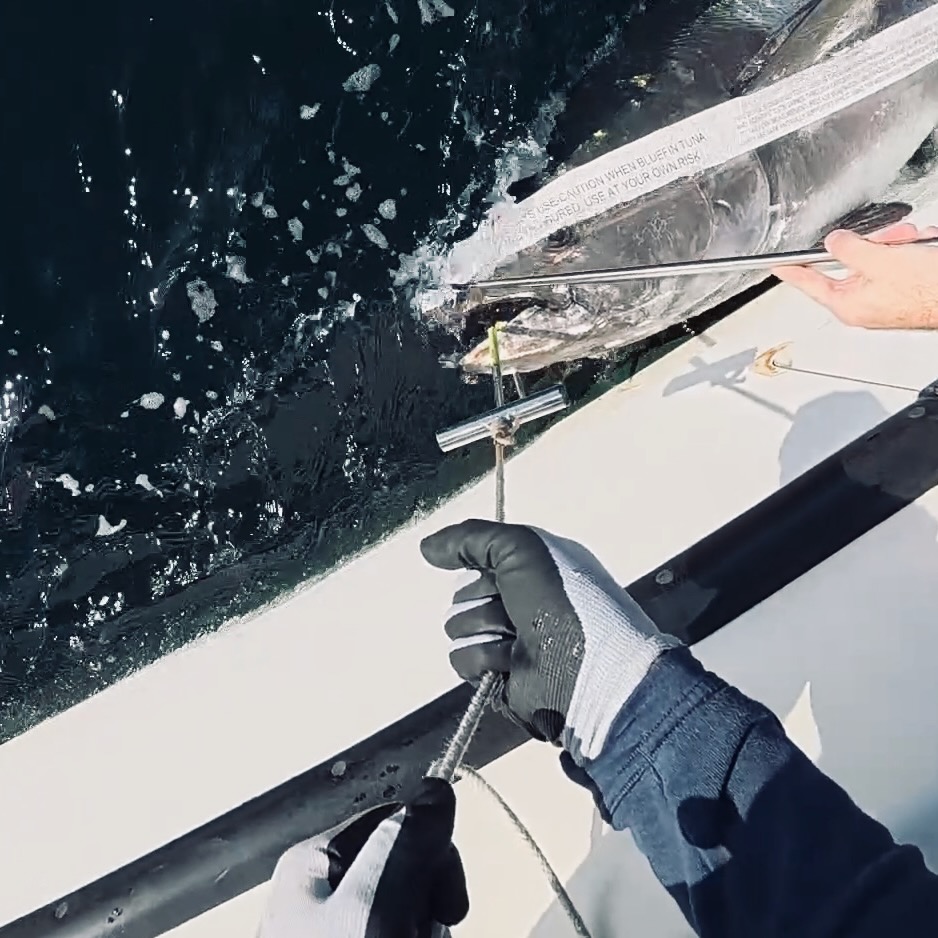
According to MMO official statistics published in February, 142 vessels held recreational catch-and-release permits in 2025. They made 1,362 trips and hooked 2,666 bluefin tuna, 97% of which were released in alert condition.
Fourteen fish were reported dead at the boat, an estimated 1.75 tonnes. That is 13.4% of the 13-tonne recreational allowance. The commercial fishery, where every fish counted against quota is landed, was allocated 45 tonnes that year.
The UK’s bluefin quota rose to 230 tonnes in 2026, with 120 tonnes for the commercial fishery and 20 tonnes for recreational catch and release. As the quota grows, a question is becoming harder to avoid: which use of a tonne of bluefin delivers more for the UK?
Those figures do not add up to the total. With a further 15 tonnes for science and bycatch, the published categories account for 155 tonnes, according to an MMO response to a freedom of information request. That leaves about 75 tonnes of the UK’s 2026 quota outside any published category. Defra has not said how it will be used, though the UK’s ICCAT plan sets out staged commercial expansion to use the full quota by 2028.

Meeting every recreational application would need little extra quota. In 2026, 261 vessels applied for a permit and 145 were offered one. Defra’s own fishery model allows 88kg of mortality per permit, several times what has been observed. On that cautious basis, permits for all 261 applicants would need about 23 tonnes. That is around 3 tonnes more than the current recreational allowance, and about 4% of the 75 tonnes outside any published category. At 2025’s reported mortality rate, the same fleet would use about 3 tonnes in total.

What the latest evaluations show
The most recent economic evaluations commissioned by Defra cover the 2024 season. On a per-tonne basis, they favour catch and release.
ICF’s evaluation of the 2024 recreational season found anglers spent £2.6 million, generating £750,000 in gross value added (GVA). Of that, £510,000 came from spending that would not otherwise have happened. Against the 16 tonnes set aside for recreational fishing, that is between £31,900 and £46,900 per tonne.
ICF and ABPmer’s evaluation of the 2024 commercial trial found 13 licence holders landed 34 tonnes of a 39-tonne quota. That generated £474,000 in GVA from the fishing itself, or £816,000 including processing and onward sale: between £12,150 and £20,900 per tonne of quota.
However the figures are paired, catch and release generates more per tonne of quota, between 1.5 and 4 times as much depending on what is counted.
Measured against fish killed, the gap widens. How many released bluefin die afterwards has not been measured, so UKTuna has used Defra’s own cautious modelling assumption: 2% of fish hooked on charter boats and 3% on private boats. On that basis, the recreational fishery generated about £76–112 of GVA per kilo of fish killed in 2024. The commercial fishery generated £14–24 per kilo landed.
Why one report points the other way
An earlier report for Defra, by RPA and ABPmer, reached the opposite conclusion. It found a commercially caught bluefin worth more per kilo than one caught by an angler.
The difference is in what it counted. The report valued every fish caught, and treated a tuna released alive the same as one killed and sold. Its authors say comparing how many fish died was outside the scope of their study.
That matters because quota exists to limit how many bluefin die. The recreational fishery releases around 97% of its fish alive, while the commercial fishery kills every fish it counts. Measured per fish caught, commercial comes out ahead. Measured per fish killed, or per tonne of quota, catch and release does.
The report states that its aim was “to inform future policy decisions on the quota allocation.” Since it was published in March 2024, the UK’s commercial bluefin quota has risen from 39 tonnes to 120 tonnes in 2026, a threefold increase. Over the same period the recreational allowance has gone from 16 tonnes to 20.
Defra has not said how much weight the report carried in those decisions, and the UK’s ICCAT plan cites demand for commercial licences as the reason for expansion. But Defra’s direct comparison of the two fisheries did not account for the fish that die, which is exactly what quota is meant to control.
Neither set of figures prices everything. The RPA and ABPmer report lists unvalued recreational benefits such as longer charter seasons, international visitors, tagging science and angler wellbeing. It also notes steadier income for small inshore commercial boats.
The open questions
- Will Defra publish an economic evaluation of the 2025 season, and will it use the same method for both fisheries?
- Which measure should guide how quota is shared: value per fish caught, or value per tonne of the mortality the UK is allowed under ICCAT?
- In 2026, 172 private vessels applied for a recreational permit and 56 were offered one. With most of the recreational allowance unused, how should growth up to 2028 be shared?
- How should benefits that are hard to price, from science and tourism to wellbeing, be weighed?
UKTuna will update this article if a 2025 evaluation is published.
Per-tonne and per-kilo figures are UKTuna calculations from Defra’s published evaluations and MMO data. Per-kilo-killed figures use Defra’s modelled mortality rates and average weights from MMO data; post-release mortality has not been measured.
Read more