Bluefin Drag Settings Explained
Drag management is one of the defining variables in Atlantic bluefin tuna fishing. While modern tackle is capable of producing extremely high drag numbers, the real objective is not maximum drag but sustained, controlled pressure that can be maintained throughout the fight.
Bluefin tuna are among the most powerful fish encountered on casting tackle. Their initial runs are explosive, and their ability to change direction rapidly places constant stress on the tackle system. Drag must therefore be set within a range that allows the angler to apply meaningful pressure while still maintaining control and endurance during the fight.
In most modern stand-up casting systems targeting Atlantic bluefin, working drag typically falls within the range of roughly 17–22 kilograms. This range aligns with the capabilities of modern PE10–PE12 tackle systems and the structural limits of most high-performance tuna casting rods.
Large spinning reels such as the Shimano Stella SW and Daiwa Saltiga have become the standard platforms used to deliver this level of pressure. Reels in the 18000–20000 size class are commonly chosen because they provide both the drag capability and the line capacity required when fighting powerful fish in open water. Penn Authority 8500 and 10500 are also very capable reels.
A typical 20,000-size reel loaded with PE10 or PE12 braid is often set with an initial drag around 17 kilograms when measured at the spool. This provides enough resistance to slow the fish during the early run while remaining manageable for the angler over the course of a long fight.
As the fight progresses and the angler becomes comfortable with the pressure being applied, drag may be increased slightly depending on the rod rating and the angler’s ability to maintain posture under load. Many anglers will gradually move into the 20–22 kilogram range as the fish begins to tire.
These figures should always be viewed as working ranges rather than fixed rules. The correct drag setting depends on the balance between rod strength, braid diameter, reel capability and the angler’s physical endurance.
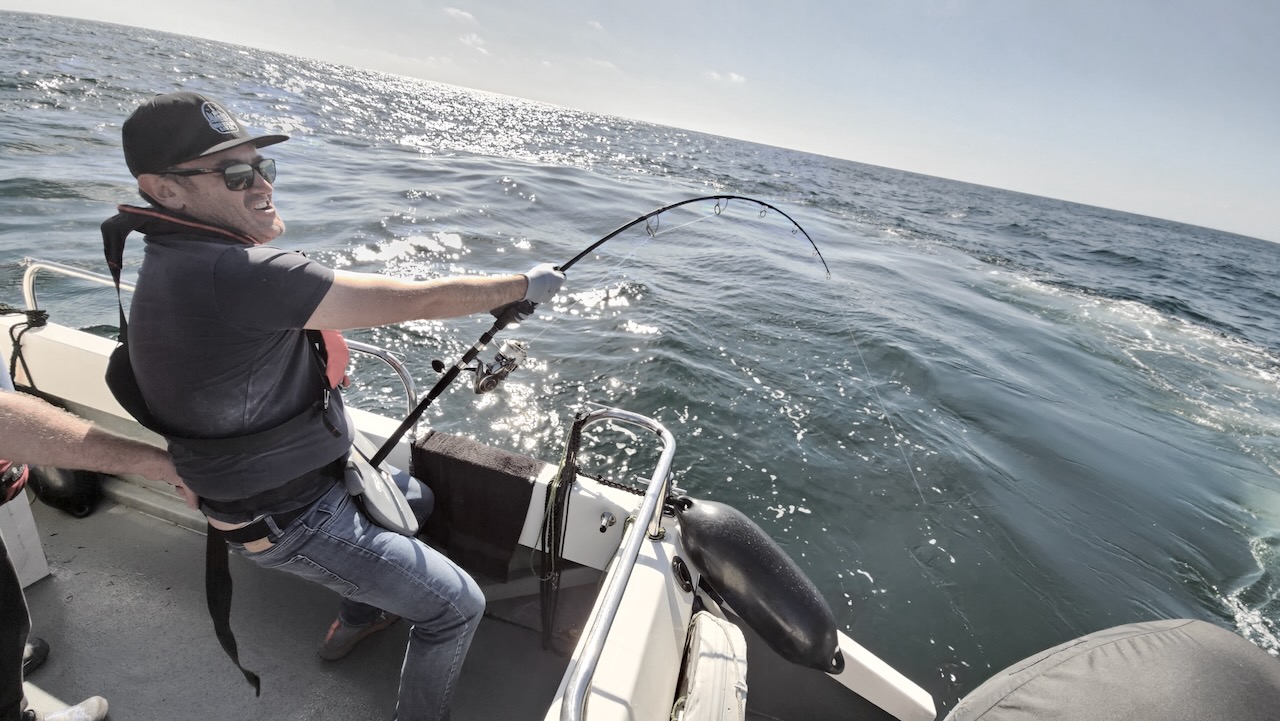
In stand-up tuna fishing the angler sits directly within the pressure system between fish and reel. While the hips and legs provide structural support, the arms and shoulders absorb much of the load during the repeated lifting cycles used to recover line. Over time fatigue becomes the limiting factor rather than the strength of the tackle.
Because of this, drag must be applied strategically throughout the fight rather than simply locked down from the start.
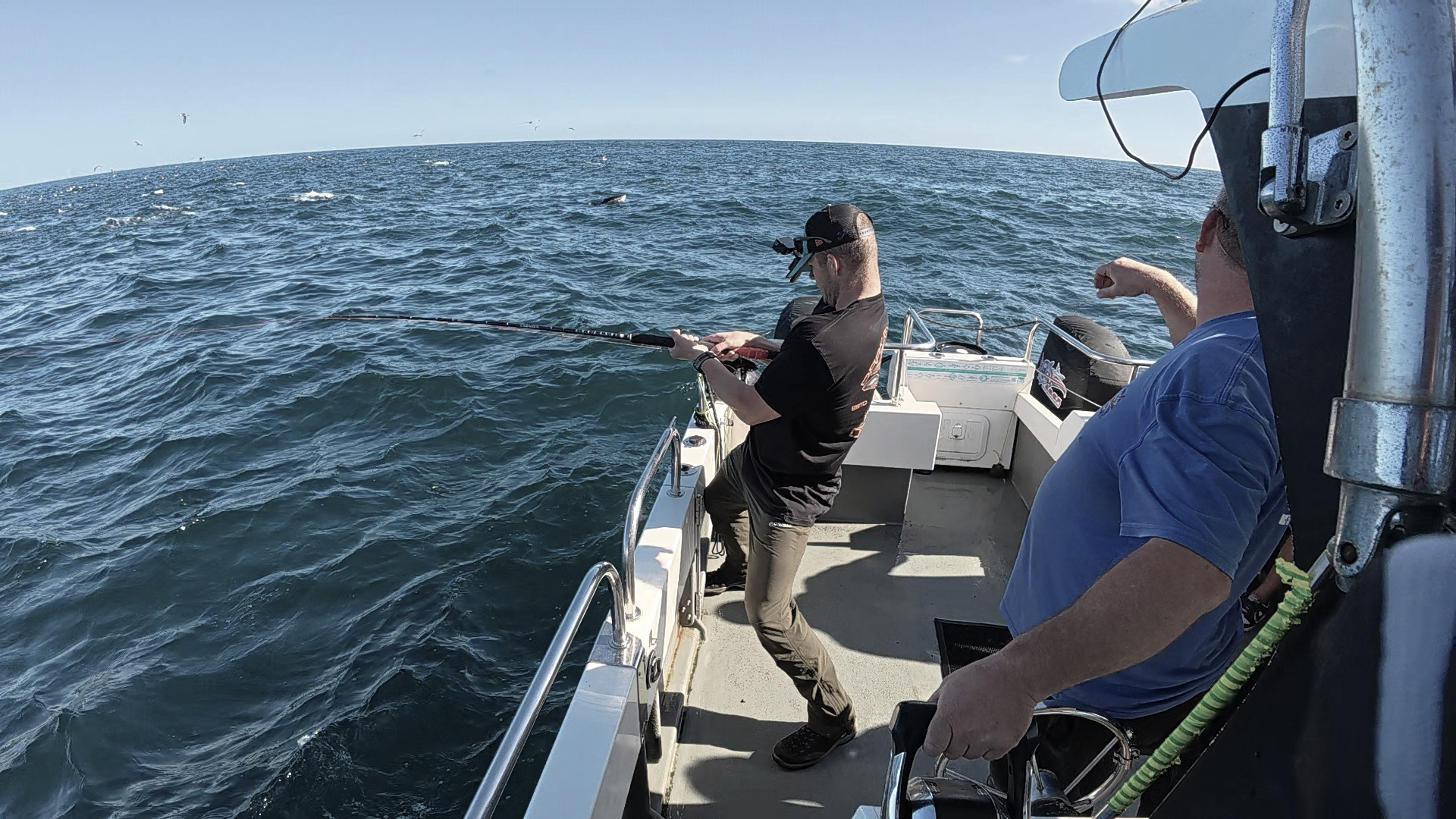
During the early phase of the fight, bluefin tuna often make powerful horizontal runs accompanied by violent head shakes. When the fish is running it is often more efficient to reduce rod angle slightly and allow the drag system to carry the load rather than continually lifting against the fish. In this phase the reel’s drag applies constant pressure while the angler conserves energy.
Eventually the tuna will move beneath the boat and begin circling in the final stage of the fight. At this point controlled drag and repeated lifting cycles are used to guide the fish upward while maintaining constant pressure.
Drag should therefore be viewed as part of a complete pressure system rather than a single number on a reel. Rod design, braid strength, reel performance and angler endurance must all work together to maintain steady pressure without exceeding the limits of the equipment.
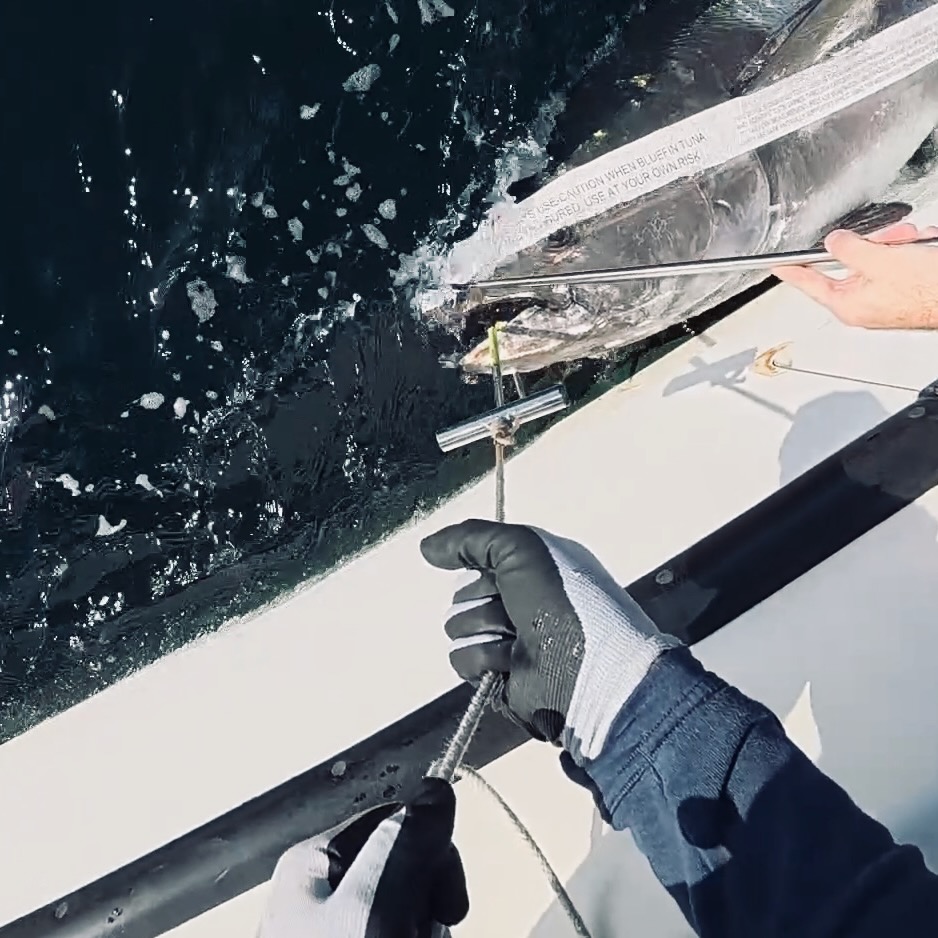
When managed correctly, drag becomes the tool that structures the entire fight. It slows the tuna during its initial run, maintains pressure as the fish changes direction and allows the angler to guide the fish upward during the final stages beneath the boat.
In Atlantic bluefin tuna fishing, disciplined drag management is often the difference between a controlled fight and an exhausting stalemate.
Read more